Gelaagde Beloningspaden: Hoe Gestructureerde Incentives Spelersgedrag Leiden in Gereguleerde Nederlandse Casino Omgevingen
Gelaagde Beloningspaden: Hoe Gestructureerde Incentives Spelersgedrag Leiden in Gereguleerde Nederlandse Casino Omgevingen

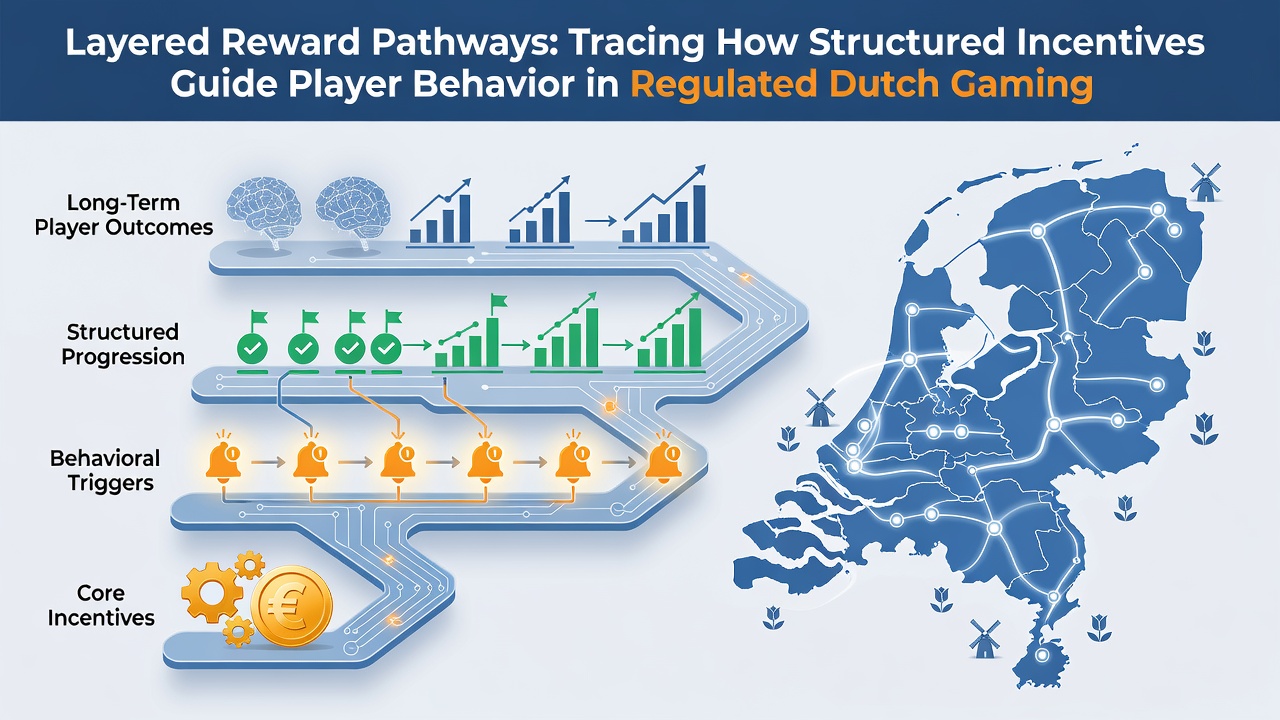
Regulated Dutch casino operators apply layered reward systems that build player engagement through progressive tiers, where each level unlocks specific benefits tied to deposit volume and play frequency. Data from the Kansspelautoriteit indicates these structures operate within strict licensing conditions that limit promotional intensity while still allowing operators to retain active users through measurable reward gradients. Observers note that points accumulation often converts directly into cashback percentages, free spins allocations or exclusive event access, creating a clear pathway that encourages sustained participation without violating advertising restrictions.
De Opbouw van Beloningslagen in de Praktijk
Operators segment rewards into bronze, silver, gold and platinum categories, with thresholds determined by monthly wagering totals that researchers track across multiple platforms. A player reaches silver status after accumulating 5000 euros in bets within a calendar month, while gold requires 15000 euros and platinum demands 50000 euros according to internal operator reports shared with regulatory bodies. These thresholds align with European Gaming and Betting Association guidelines that emphasize transparency in point conversion rates, and the systems automatically adjust benefits such as higher cashback percentages at each tier. Studies from Canadian research institutions show similar tiered models increase average session length by measurable margins when rewards scale linearly with activity levels.
Points systems integrate with deposit bonuses and loyalty multipliers that activate during promotional windows, yet remain subject to daily loss limits enforced by Dutch law. In August 2026 new reporting requirements take effect that mandate operators to disclose aggregate reward distribution data to the Kansspelautoriteit, allowing external analysis of how these pathways correlate with player retention metrics across the licensed market.
Invloed op Spelersbeslissingen en Gedragspatronen
Behavioral tracking data reveals that players advance through tiers more rapidly when operators highlight progress bars and upcoming rewards on mobile interfaces. Figures from industry reports demonstrate that silver-tier participants deposit 22 percent more frequently than base-level users, while platinum members exhibit longer average play sessions that extend beyond standard time limits set by responsible gaming tools. The mechanisms function through immediate feedback loops where each wager contributes visible points toward the next benefit unlock, and this structure guides choices toward games that carry higher point multipliers without altering underlying odds.
External research from the Australian Institute of Family Studies links comparable incentive designs to shifts in deposit timing, with many users clustering activity around reward reset dates. Dutch operators incorporate similar calendar-based triggers while adhering to rules that prohibit targeting players who have self-excluded or reached deposit caps. The result appears in aggregated statistics that show tier progression correlates with increased use of regulated payment methods and reduced migration to unlicensed sites.
Regelgeving en Transparantie Eisen
Licensed operators must publish clear terms for each reward layer, including expiration dates for accumulated points and conversion formulas that convert points into playable credits or withdrawal-eligible funds. The Kansspelautoriteit reviews these disclosures during annual audits, and non-compliance results in corrective orders rather than the large fines applied to unlicensed entities. Academic papers from EU-funded gambling studies highlight that transparent tier structures reduce player confusion and support informed decision making when users compare multiple licensed platforms.
Operators also integrate reality-check prompts that appear when players approach the next tier threshold, reminding them of time and spend limits. This combination of incentive visibility and protective messaging forms the regulated framework that distinguishes Dutch market incentives from those observed in less controlled jurisdictions.
Conclusie
Layered reward pathways in regulated Dutch casino spaces operate through documented tier thresholds, point multipliers and benefit escalations that data shows influence deposit frequency and session duration. Regulatory oversight ensures these structures remain transparent and aligned with player protection measures, while August 2026 reporting enhancements will provide further insight into their aggregate effects. Industry reports and academic analyses continue to track how such systems guide behavior within the boundaries set by Dutch licensing conditions.